
Lithium Battery Lifespan: How Long Will Your Battery Last?
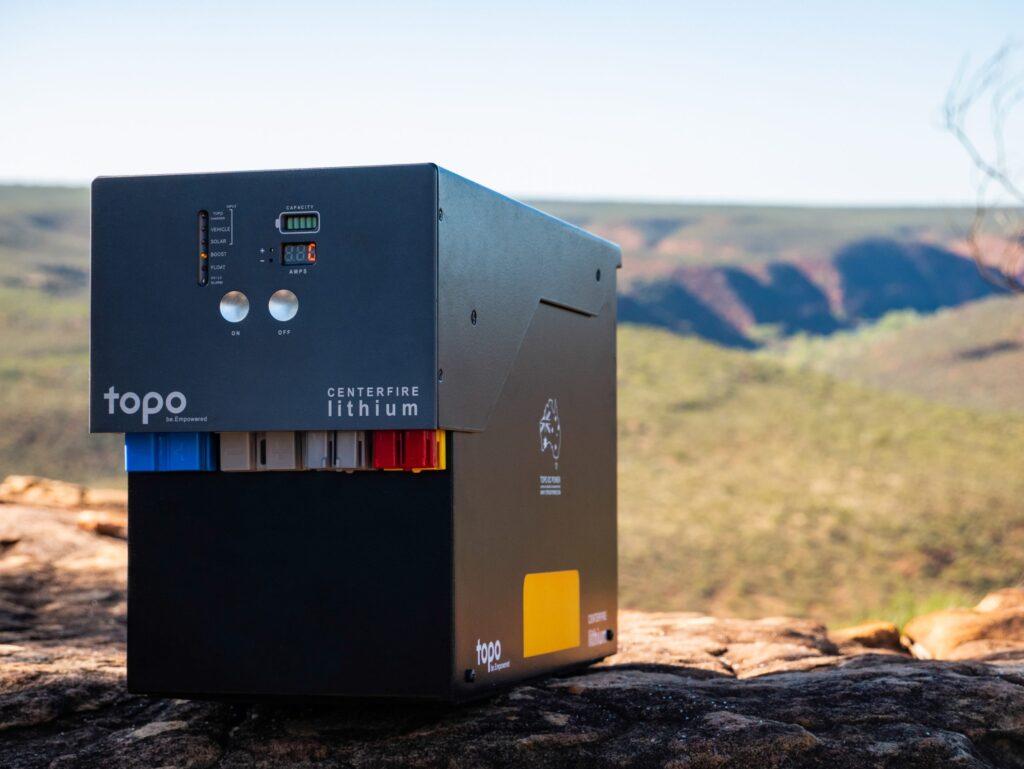
Lithium batteries are meant to last. But if you’ve ever noticed shorter runtimes, slower charging, or wondered whether your battery is ageing faster than it should, you’re not alone. Campers, 4WD owners, caravan travellers and off-grid users often ask: how long does a lithium battery actually last?
The truth is, lithium battery lifespan isn’t just about years. It depends on how the battery is used, charged, stored, and, most importantly, the type and quality of lithium battery you choose. With the right chemistry and care, a lithium battery can deliver dependable power for well over a decade. With poor charging habits or the wrong setup, lifespan can shorten quickly.
From compact 12V lithium batteries to full dual battery systems and off-grid solar storage, understanding the lifespan of lithium battery helps you avoid premature failure, protect your investment, and get the most value from every charge cycle.
In this guide, we’ll explain how long lithium batteries really last, why LiFePO4 batteries last significantly longer, what shortens battery life, and how to extend the lifespan of your battery in real-world use.
If you want fewer replacements, better performance, and long-term reliability, keep reading.
What is the Average Lithium Battery Lifespan?
Most lithium batteries last between 3 to 10+ years, depending on the battery chemistry, usage habits, and operating conditions. In simple terms, lithium battery life is measured in charge cycles rather than just years.
A charge cycle means using 100% of the battery’s capacity, either all at once or spread across multiple partial discharges. For example, using 50% today and 50% tomorrow equals one full cycle.
Lithium battery lifespan by type:
- Standard lithium-ion (Li-ion) batteries typically deliver around 300 to 500 full charge cycles, which usually translates to approximately 3 to 6 years of practical use when charged and stored correctly.
- Lithium iron phosphate (LiFePO4) batteries are engineered for longevity, offering around 2,000 to 5,000+ charge cycles and commonly providing 8 to 15 years of reliable service in real-world applications such as off-grid power, touring, and vehicle dual-battery systems.
Even when not in use, lithium batteries slowly lose capacity over time due to chemical ageing. This natural process is affected by:
- Heat exposure
- How often the battery is charged or deeply discharged
- Long periods stored at very high or very low charge levels
Storing lithium batteries in cool, dry conditions and avoiding repeated deep discharges helps slow this degradation and extend usable life.
Why LiFePO4 batteries last significantly longer
For anyone prioritising longevity and reliability, LiFePO4 batteries are the clear winner. Their stable chemistry allows:
- Far higher cycle life
- Better tolerance to heat
- Safer deep discharge
- Minimal maintenance over time
That’s why LiFePO4 is the preferred choice for portable DC power systems, caravans, 4WDs, marine setups, solar storage, and off-grid power, where long service life and consistent performance matter.
Factors Affect the Lifespan of Lithium Batteries
Below are the key factors that have the biggest impact on lithium battery lifespan.
-
Usage Patterns
How often and how hard a lithium battery is used plays a major role in its longevity. Batteries that are cycled heavily every day; such as those running fridges, inverters, and accessories during long trips, will naturally accumulate cycles faster than batteries used occasionally for backup or emergency power.
That said, lithium batteries handle frequent use far better than traditional lead-acid batteries. High-quality LiFePO4 batteries are designed for regular cycling and maintain stable performance even after thousands of charge and discharge cycles when used within recommended limits.
-
Charging Habits
Charging behaviour has a direct impact on lithium battery life. Factors such as charge frequency, depth of discharge, charge current, and charger quality all influence long-term battery health.
Repeated overcharging, using incorrect chargers, or constantly running a battery to very low levels can speed up capacity loss over time. In contrast, shallow and controlled charge cycles significantly reduce stress on the battery’s internal chemistry.
For everyday use, lithium batteries last longest when they operate within a moderate state of charge rather than being pushed to extremes. This is one reason why modern plug-and-play lithium systems with built-in chargers and BMS protection perform so well over time.
-
Environmental Temperature Exposure
Temperature is one of the most important and often overlooked factors affecting lithium battery lifespan.
- Excessive heat accelerates chemical ageing and reduces long-term capacity
- Extreme cold can temporarily reduce performance and slow charging
Lithium batteries perform best in cool, dry environments, which is why portable systems installed outside the engine bay, such as in a rear cargo area, canopy, or battery tray — often enjoy a longer service life.
In Australian conditions, especially during hot Perth summers, proper ventilation and thoughtful placement make a noticeable difference.
-
Charging Cycles & Depth of Discharge
A lithium battery’s lifespan is commonly measured in charge cycles, but not all cycles are equal.
A cycle refers to the total amount of energy used, not how many times the battery is plugged in. Multiple shallow discharges are far gentler on a lithium battery than repeated deep discharges. Each time the battery cycles, small chemical changes occur within the electrodes, gradually reducing capacity over time.
Modern LiFePO4 batteries are engineered to safely handle a high usable depth of discharge (up to 90%), but avoiding full depletion whenever possible will extend their overall lifespan even further.
-
Cell Chemistry & Protective Coatings
Inside every lithium battery, complex chemical reactions occur during charging and discharging. At higher voltages and temperatures, unwanted reactions can form on the battery’s electrodes, increasing internal resistance and reducing efficiency over time.
High-quality lithium batteries use advanced cell chemistry, stable cathode materials, and protective coatings to slow this process. These coatings help prevent breakdown of the electrolyte and limit internal wear, improving durability and long-term performance, especially in demanding off-grid and mobile applications.
-
Storage Conditions
How a lithium battery is stored when not in use has a significant impact on its lifespan. For long-term storage, lithium batteries should be kept:
- In a cool, dry location
- At a partial state of charge (around 40–60%)
- Protected from physical damage and moisture
This applies to all lithium systems, including medium-capacity power packs such as 100Ah LiFePO4 batteries commonly used in caravans, boats, and portable power setups. Avoiding prolonged storage at full charge or complete depletion helps minimise chemical ageing and preserves battery health.
-
Battery Quality & Management Systems (BMS)
Not all lithium batteries are created equal. The quality of the cells, internal wiring, and protection systems plays a major role in how long a battery will last.
A well-designed Battery Management System (BMS) actively protects the battery from:
- Overcharging
- Over-discharging
- Short circuits
- Excessive current draw
- Unsafe temperature conditions
This built-in intelligence removes the need for constant monitoring and helps ensure the battery operates within safe limits at all times. This is a key advantage of modern lithium systems over traditional battery technologies.
Tips for Extending the Lifespan of Lithium-ion Battery
Want your lithium battery to last as long as possible? Follow these straightforward, proven tips. They’re especially relevant for portable and vehicle systems used in Australian conditions:
1. Keep your state of charge in the sweet spot
Lithium batteries last longest when they avoid the extremes. For everyday use, try to keep your battery between 20% and 80% state of charge (SOC). Shallow, frequent cycles are much gentler than repeated deep discharges. While LiFePO4 batteries can tolerate deeper discharge (often up to 90% usable DoD), regularly running to 0% or charging to 100% will shorten overall lifespan.
2. Use the right charger
Always use chargers and DC/DC converters designed for your battery chemistry. Chargers that supply the wrong voltage or uncontrolled high currents damage cells over time.
If you’re using a Topo system, pair it with Topo-recommended chargers or follow the charger specs in the manual. Correct charging profiles and controlled charge currents protect long-term capacity.
3. Minimise fast charging when you can
Fast charging is convenient, but it increases stress on cells, especially at high temperatures. Use fast charge only when you need it. For routine charging, choose standard or moderate charge rates that match the battery’s rating to reduce long-term wear.
4. Avoid extreme temperatures
High heat accelerates chemical ageing; extreme cold reduces performance and charging speed. In Perth summers, avoid leaving batteries in direct sun or inside hot engine bays. If installing on a vehicle, consider placing the battery where it gets airflow or shade (rear cargo area, battery tray) and provide ventilation if possible.
5. Reduce sustained high loads and rapid discharge rates
High continuous loads and rapid discharge stress cells and the BMS. Where possible, spread heavy loads (fridge, inverter, power tools) across time or use a larger capacity pack sized for those loads. This reduces strain and extends usable life.
6. Store batteries correctly
If you’re storing a battery for weeks or months, keep it at around 40–60% charge in a cool, dry place and top it up periodically. Avoid long-term storage at 100% (promotes ageing) or fully depleted (risk of over-discharge). For caravans and boats, a periodic maintenance charge during off-season storage prevents harmful deep discharge.
7. Secure installation and physical protection
Physical damage can ruin cells. Always mount batteries securely, protect them from moisture and impacts, and use a battery box or steel enclosure for added protection. Vibration, dropping, or loose terminals can cause internal faults and reduce lifespan, so bolt it down properly.
8. Rely on a good BMS
A quality Battery Management System (BMS) is critical. It protects against overcharge, over-discharge, short circuits and unsafe temperatures. Choose batteries with a robust BMS and, where available, enable monitoring features. Being able to check voltage, SoC and cell balance on your phone gives you early warning of issues and helps maintain healthy batteries.
9. Regular checks and basic maintenance
Inspect terminals, cabling and mounting points periodically. Look for signs of corrosion, loose connections or unusual heat. If run times drop or charging takes much longer, test the battery or consult support as early detection prevents bigger problems.
Conclusion
Lithium batteries are an investment. Choose the right chemistry, look after it, and you’ll get years of reliable power. In short, LiFePO4 is the best choice when longevity, safety and real-world performance matter. A well-sized 12V lithium battery or portable lithium power pack used within sensible state-of-charge limits, kept out of excessive heat, and paired with a quality BMS will outlast cheaper options and deliver better value per cycle than lead-acid.
If you want the best lithium battery for camping, touring or a robust dual battery setup, look for systems that are purpose-built: steel case protection, plug-and-play dual battery kit compatibility, proven cycle life, and local support. Investing in a durable, Australian-made pack will save you time, hassle and replacement costs down the track.
Ready to upgrade to a battery that lasts?
Shop High-Performance Lithium Battery Systems at Topo DC Power Today
Topo DC Power designs portable, purpose-built lithium battery systems with rugged steel cases, smart BMS, and fast charging from vehicle, solar and mains. Perfect for a dual battery setup, caravan or camping electric needs.
Why Topo?
- Australian-made & supported — local service in Perth, WA
- Built for long life: high-cycle LiFePO4 chemistry
- Plug & play: ideal as a portable lithium power pack or 12V lithium battery for vehicle use
- Tough steel enclosure and integrated protection (BMS + magnetic breakers)
- Works with standard 12V battery chargers, DC/DC chargers and dual battery kits
Explore Our Portable Dual Battery Systems Now
FAQs
✅ How long do lithium batteries really last?
Most lithium batteries last from about 3 years to 15+ years, depending on chemistry and use. Standard lithium-ion cells typically deliver 00–500 full cycles (3–6 years in normal use). LiFePO4 batteries are far tougher delivering 2,000–5,000+ cycles, commonly translating to 8–15+ years with sensible care.
✅ How long will a 100Ah lithium battery last?
A 12.8V 100Ah battery stores roughly 1,200–1,280 Wh of usable energy (depending on usable DoD). Example runtimes: a 100W device ≈ 12 hours, a 10W device ≈ 120 hours. Lifespan (cycles/years) depends on chemistry and use. For LiFePO4 expect 2,000–5,000 cycles (8–15+ years) with good care. See detailed guide on how long does a 100Ah deep cycle battery last?
✅ How do I know when my lithium battery needs replacing?
Replace when you see persistent symptoms like noticeably reduced runtime, much slower charging, frequent BMS faults, cells out of balance, or a swollen/heated case. If capacity falls well below spec (for example, <70–80% of rated capacity) or the battery trips under normal loads, it’s time to test and consider replacement.
✅ Do lithium-ion batteries degrade over time?
Yes. Lithium batteries undergo calendar ageing (time) and cycle ageing (charging/discharging). Heat, deep cycles and high charge/discharge rates accelerate this. Proper charging, storage and a good BMS will slow but not stop natural degradation.
✅ What factors shorten a lithium battery’s lifespan?
Main factors that shorten the life of lithium battery are:
- High temperature (heat exposure)
- Repeated deep discharges (0% SOC)
- Overcharging or poor charging profiles
- High continuous currents / rapid discharge
- Long-term storage at 0% or 100% SOC
- Poor-quality cells, chargers or no BMS
- Physical damage or vibration
✅ Do lithium batteries last longer than other battery types?
Yes. Compared with lead-acid, LiFePO4 offers far more cycles (2,000–5,000+ vs 500–1,000), deeper usable DoD (often 80–90% vs 50%), lower maintenance and a better cost-per-cycle. Thus, they last longer and cost less over their lifetime.
✅ How often should I charge my LiFePO4 battery?
You don’t need frequent full charges. For daily use, keep SOC roughly 20–80%. For long storage, maintain about 40–60% and top up every few months. Charge after heavy use or long trips but avoid routine 0% to 100% cycles.
✅ How long will a lithium battery hold a full charge?
Lithium batteries have low self-discharge. They commonly hold most charge for months with minimal parasitic draw. In practice, expect 2–6 months (or longer for high-quality, monitored packs) depending on battery health and any connected systems that draw power.
✅ Does extreme heat or cold affect lithium battery life?
Yes. Heat accelerates irreversible ageing (high risk >40°C). Cold reduces available capacity and slows charging. Aim to operate and store batteries within manufacturer temperature limits (typically near 0–35°C for use; storage cooler around 10–25°C) and avoid leaving packs in direct sun or hot engine bays.