
Can A Completely Dead Sealed Lead Acid Battery Be Brought Back to Life?
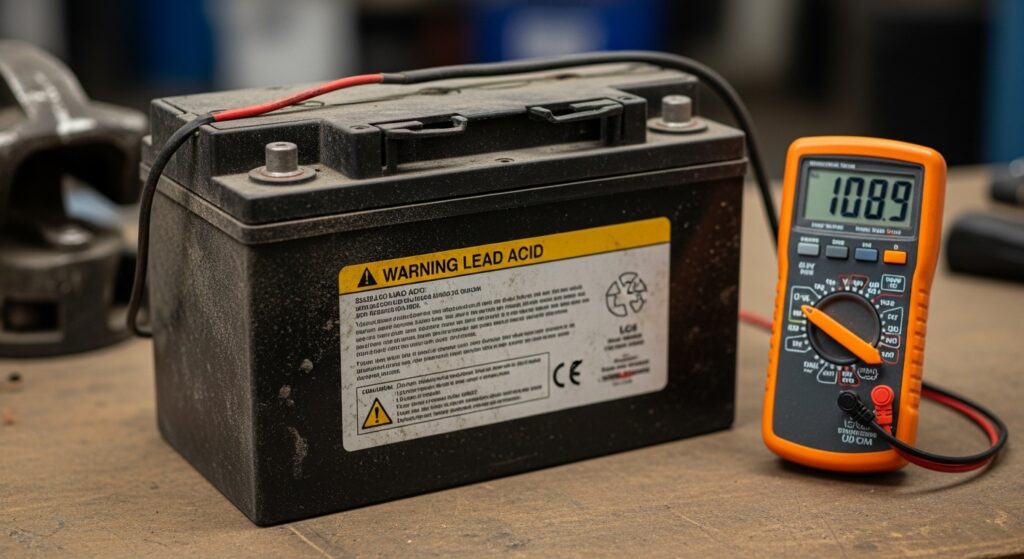
Sealed Lead Acid batteries belong to the category of rechargeable batteries, but they demand respect and proper care. From my experience working with these power sources, I’ve seen too many batteries that were ignored or not charged after use until they reached the end of their intended life span and were simply done. When an SLA battery is completely dead, it’s often a lost cause, and you’ll need to find a replacement. However, if you’re lucky and there’s still enough juice left inside, you might be able to hook it up to a smart battery charger and start bringing it back around by desulfating the lead plates to restore some life to it.
In ideal circumstances, you should never let your battery get discharged by more than 50%—for maximum life span, keep it above 30% to maintain a 70% state of charge. If you use your battery properly and keep it charged, you’ll avoid the heartache of a dead unit. When you’re trying to recover a weak battery, I recommend you complete a charge/use cycle five times in a row. Fully charge the battery, use it until it’s depleted, then repeat this cycle to remove sulfur buildup efficiently and restore performance. Hopefully, if it’s not critically damaged, this method will work.
On the negative side, the longer a battery sits without operating after initial use, the less of a charge it will hold. The longer into its life span it goes, the worse things get. When a battery is new, it should be at 100% capacity, meaning it’s holding the full charge it was intended to handle. Batteries that sit for a long time without a charge or are near their intended lifespan will perform badly and lose the ability to hold a full charge.
Instead of holding 100% capacity, these aging units will gradually drop down to 90%, then 70%, then 40%, and eventually they’re dead. I’ve watched this decline happen countless times, and it’s always the same pattern. The best practice to extend the life of your battery is to give it constant attention, especially during those cold winter months when it can’t just sit idle for a length of time and be expected to perform when needed.
A smart charger or trickle charger is what you want to use when the battery is not operating. This will allow the battery a chance to maintain itself and deliver the most bang for your buck. I always give my batteries this kind of care, and it’s made a significant difference in how long they last and how reliably they work when I actually need them.